Acupuncture
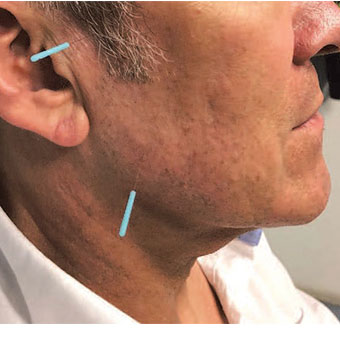
A traditional Chinese medicine technique using fine needles inserted into specific body points to relieve pain and treat various conditions, balancing the body's energy (Qi) or stimulating nerves and tissues.
Acupuncture treats many conditions, primarily focusing on pain (back, neck, osteoarthritis, headaches, dental, menstrual cramps) and nausea (chemo/post-surgery) and also helps with allergies, insomnia, anxiety, digestive issues, addictions, and managing cancer treatment side effects like fatigue and hot flashes, often used alongside conventional medicine for chronic issues.
Acupuncture is generally considered safe when performed by a competent, certified practitioner using sterile, single-use needles. When performed improperly, serious adverse effects can occur, but these are rare.
Benefits of Acupuncture
Studies have shown that acupuncture is effective alone or when used with conventional therapies to treat these conditions:
- Upset stomach (nausea) caused by surgical anesthesia and cancer chemotherapy.
- Dental pain after surgery.
- Addiction.
- Headaches.
- Menstrual cramps.
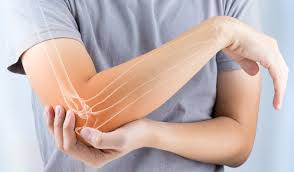
- Tennis elbow.
- Fibromyalgia.
- Myofascial pain.
A Brief History of Acupuncture
Acupuncture, originating in ancient China over 3,000 years ago, evolved from using sharpened stones (bian shi) to a sophisticated system described in texts like the Yellow Emperor's Classic, charting Qi (life energy) flow through meridians. It spread to Korea and Japan in the 6th century, reached Europe by the 17th century, and gained significant Western recognition in the 1970s after a journalist's report, leading to modern scientific research and integration into global healthcare, despite periods of decline and bans in China before its revival under Communist rule.
Early Origins (Neolithic Era – 200 BCE)
-
Stone Needles (Bian Shi): Early evidence points to sharpened stones and bones used for lancing abscesses or drawing blood around 6000 BCE.
-
Meridian System: Texts from the Ma-Wang-Dui tomb (sealed 198 BCE) mention meridian-like systems, hinting at early concepts of energy pathways.
Formalization (c. 100 BCE – 17th Century)
-
The Yellow Emperor's Classic of Internal Medicine (c. 100 BCE): The first comprehensive text detailing organized acupuncture diagnosis and treatment, establishing meridian theory.
-
Development: The practice was refined with specific insertion points and techniques, becoming a core part of Traditional Chinese Medicine (TCM) alongside herbs and massage.
-
Spread to Asia: Introduced to Korea and Japan in the 6th century, influencing their medicine.
Introduction to the West & Decline (17th – 19th Centuries)
-
First European Account: Dutch physician Ten Rhijne described it medically around 1680, based on his observations in Japan.
-
Growing Interest: Interest grew in Britain and America in the 19th century.
-
Decline in China: Modern Western medicine's introduction led to acupuncture being viewed as superstitious, even banned in 1929.
Revival & Global Expansion (20th Century – Present)
-
Communist Revival: In 1949, Mao Zedong reinstated acupuncture for accessible healthcare, leading to a resurgence and modernization (e.g., stainless steel needles).
-
US Breakthrough (1971): Journalist James Reston's New York Times article on his acupuncture experience in China sparked massive American interest.
-
Scientific Acceptance: An NIH conference in the 1990s confirmed positive evidence for certain conditions, boosting acceptance.
-
UNESCO Recognition: Recognized as an Intangible Cultural Heritage by UNESCO in 2010.