


Panchakarma is a core therapeutic process in Ayurveda, the traditional Indian system of medicine. The term literally translates to "five actions" or "five treatments" in Sanskrit, referring to a comprehensive detoxification and rejuvenation program designed to cleanse the body of accumulated toxins (Ama) and restore the balance of the three vital energies (doshas): Vata, Pitta, and Kapha.
The therapy aims to address the root cause of diseases and enhance the body's natural healing capabilities. It is highly personalized and supervised by qualified Ayurvedic practitioners, often involving preparatory phases (like oil massages and steam baths) before the main procedures. A full program can range from 7 to 28 days depending on the individual's needs.
The five main actions of Panchakarma are:
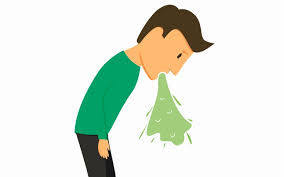
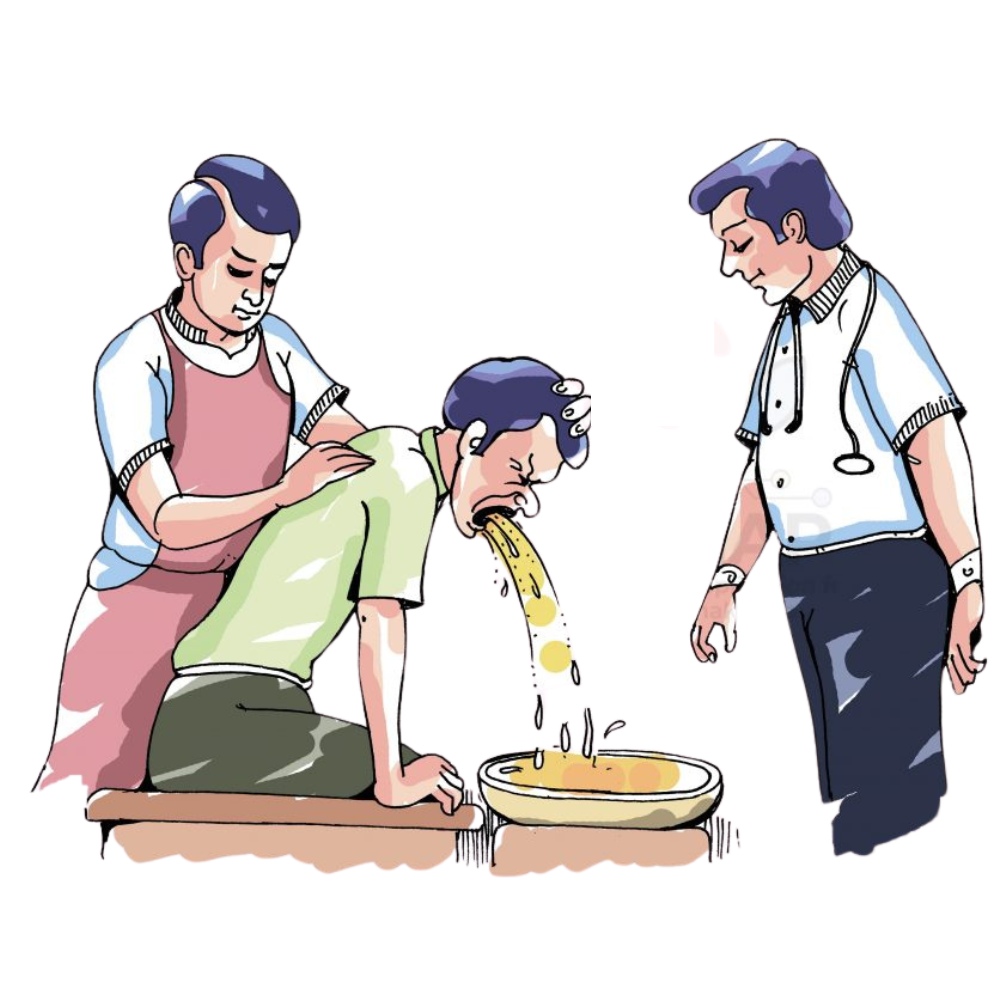
Medicine-induced vomiting to eliminate toxins, primarily recommended for Kapha-dominated conditions (e.g., certain respiratory or skin issues).
Supervised, medicine-induced purgation (bowel evacuation) beneficial for Pitta imbalances and general detoxification.
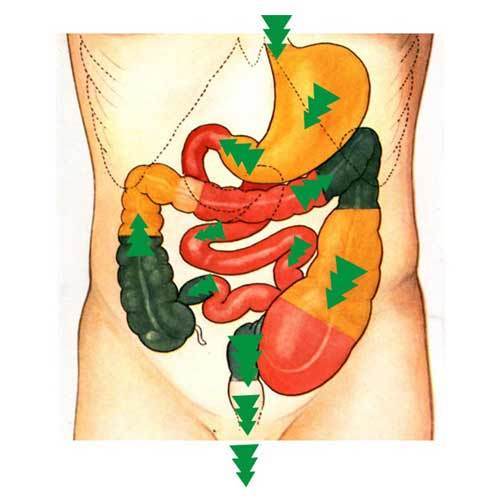
Administration of medicated oils or herbal decoctions through the anus. This is considered especially effective for Vata-predominant conditions.
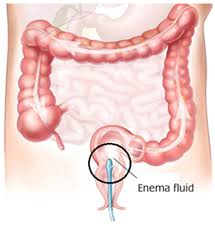
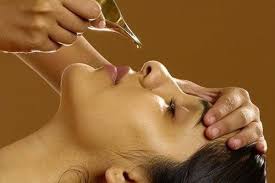
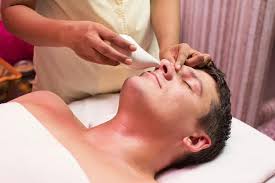
Administration of medicated oil, powder, or drops through the nostrils to cleanse the entire head region and relieve ailments above the shoulders (e.g., sinusitis, headaches).
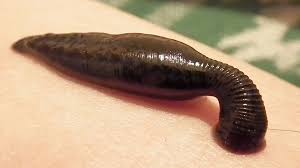
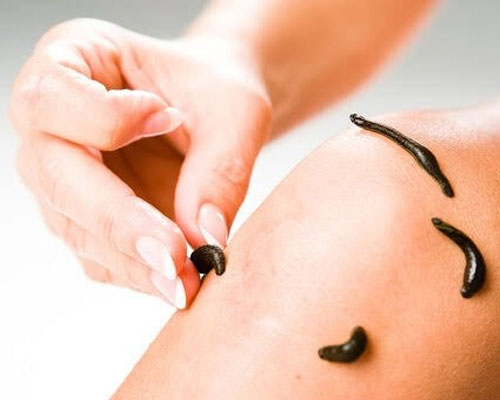
A procedure to drain impure blood, which is sometimes performed using needles, venesection, or even leeches. It is less common in modern practices and generally reserved for specific conditions.
Undergoing Panchakarma treatment can offer numerous benefits, including: